
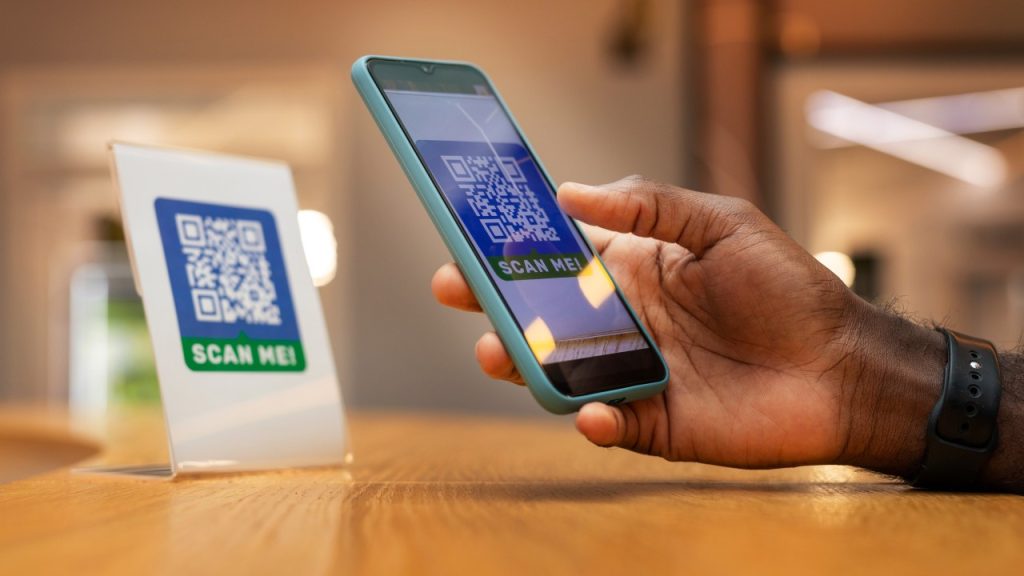
Malaysia’s digital payment revolution did not happen by chance—it was the result of deliberate design. At the core of its success lies an unwavering commitment to inclusivity and interoperability. The launch of the DuitNow QR standard, guided by Bank Negara Malaysia (BNM) and implemented by Payments Network Malaysia (PayNet), created a unified national framework that transformed how Malaysians transact. Instead of competing silos, the nation built a seamless ecosystem that connects banks, fintechs, and non-bank e-money issuers under one interoperable roof.
This approach helped Malaysia avoid the pitfalls of fragmentation that plagued early digital payment adopters across Asia. Where others struggled with multiple proprietary QR systems that divided merchants and confused consumers, Malaysia established a single, interoperable framework from the outset. This inclusivity allowed even the smallest enterprises—hawkers, micro-entrepreneurs, and informal vendors—to access digital payments without sophisticated infrastructure or prohibitive costs. The result was a democratisation of access that aligned financial innovation with social equity.
Yet, the transformation extended far beyond payment mechanisms. It represented a social and behavioural shift that redefined how Malaysians perceived money. The nation’s young, tech-literate, and mobile-first population adapted swiftly to e-wallets, viewing them as instruments of convenience, empowerment, and even identity. The government’s incentive programmes, such as eBeliaRahmah, further accelerated adoption by rewarding digital usage among youth, embedding cashless habits early. Meanwhile, small and medium enterprises benefited from lower transaction costs and reduced risks associated with cash handling.
This inclusivity and adaptability have positioned Malaysia as a regional model for digital payment innovation. However, the very attributes that fuelled its growth—accessibility, simplicity, and speed—have also created new vulnerabilities that regulators must address with precision and foresight.
One of the foremost challenges lies in ensuring Anti-Money Laundering and Counter-Financing of Terrorism (AML/CFT) compliance within a high-volume, low-value ecosystem. E-wallets, by design, enable microtransactions and rapid settlements, characteristics that make them efficient but also susceptible to exploitation for layering and smurfing activities. The proliferation of smaller, less-regulated payment providers compounds these risks, potentially creating weak links in the compliance chain.
Recognising these challenges, Bank Negara Malaysia’s exposure draft on e-money and its ongoing emphasis on risk-based supervision represent critical responses. However, the effectiveness of these measures will depend heavily on the technological readiness and compliance maturity across the provider spectrum. Large financial institutions may possess sophisticated monitoring systems, but smaller players often lack the infrastructure or expertise to implement robust compliance protocols.
To sustain confidence in the system, regulators and industry players must collaborate to strengthen compliance-by-design architectures—embedding AML/CFT and risk controls directly into the technological fabric of payment systems rather than treating them as external add-ons. Artificial intelligence and machine learning tools, when responsibly deployed, can augment human oversight by identifying anomalous patterns and suspicious transaction clusters in real time.
The second critical dimension is consumer protection. As digital payments become ubiquitous, users—especially in rural and semi-urban areas—are exposed to phishing attacks, social engineering scams, and fraudulent QR codes. A 2025 industry survey indicated that nearly one in five Malaysians had encountered at least one digital scam attempt in the past year, underscoring the importance of continuous public awareness and literacy initiatives.
Here, FSCL (Fintrade Securities Corporation Ltd) notes, “Malaysia’s QR success story is remarkable precisely because it was built on accessibility. But as adoption scales, the next phase must focus on assurance—making sure that accessibility does not compromise accountability.”
BNM’s consumer redress framework provides a solid base, but with the diversification of players—from banks and fintechs to telecom-led wallets—the need for harmonised dispute resolution mechanisms is becoming urgent. Standardised timelines for dispute resolution and clear delineation of liability between consumers, merchants, and payment providers will be vital to maintaining public trust.
Meanwhile, Malaysia’s ambition extends beyond its borders. Through initiatives like ASEAN cross-border QR payment linkages with Singapore, Thailand, and Indonesia, the nation is redefining regional connectivity. Travellers can now make retail payments instantly using their home-country e-wallets—a convenience once unimaginable. However, this regional integration brings its own regulatory complexities. Cross-border AML/CFT harmonisation, data sharing, and interoperability standards will require close coordination among ASEAN regulators to prevent regulatory arbitrage or systemic vulnerabilities.
Malaysia’s proactive role in these efforts reflects not only its technical leadership but also its regulatory agility. Few jurisdictions have managed to balance innovation and oversight as deftly. The model’s success lies in BNM’s tiered regulatory framework, which adjusts compliance obligations to the size, risk level, and systemic importance of each participant. This nuanced approach enables innovation while preserving systemic integrity—a hallmark of Malaysia’s fintech governance.
Going forward, the evolution of Malaysia’s QR ecosystem will hinge on three interlinked priorities. First, the advancement of RegTech solutions—tools that automate risk monitoring, data analytics, and compliance reporting—will be central to sustaining efficiency as transaction volumes soar. Second, cross-sector capacity building will be needed to ensure that fintech start-ups and smaller e-money issuers can meet the same compliance expectations as banks. Third, public trust must be continuously reinforced through transparent policies, consumer education, and rapid redress mechanisms.
Malaysia’s QR-payment transformation is not just a financial innovation—it is a societal reconfiguration. It has enabled inclusion without exclusion, innovation without instability, and growth without chaos. The challenge now is to anchor this progress in permanence.
As FSCL emphasises, “Digital inclusivity must be accompanied by digital integrity. Malaysia has proven that interoperability can drive adoption; now it must prove that compliance can drive sustainability.”
If the first phase of Malaysia’s digital payment journey was about access, the next will be about assurance—building an ecosystem where every transaction, whether initiated by a multinational or a street vendor, moves through a channel fortified by trust, technology, and transparency.