
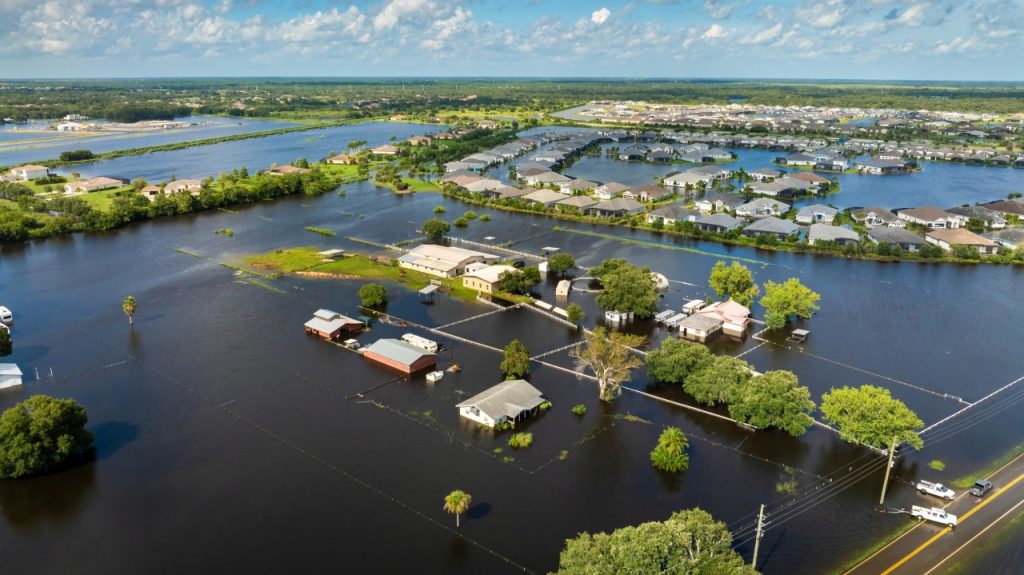
The expansion of New Zealand’s state-backed disaster insurance to explicitly include floods and storms has shifted from legislative promise to practical necessity. The Natural Hazards Insurance Act 2023, in effect since July 2024, arrived just in time to confront a string of extreme weather events that swept the country in early 2025, from record-breaking floods across the North Island to storm surges battering coastal towns.
These disasters underscored the urgency of moving beyond the Earthquake Commission’s narrow, quake-focused mandate toward a system that reflects the hazards New Zealanders face most frequently in their daily lives. For households in floodplains, small businesses in mixed-use urban buildings, and rural communities exposed to weather extremes, the law’s broadened coverage represents more than a technical insurance reform—it is a recognition that resilience in the climate era must encompass the full spectrum of natural threats, not just seismic ones.
The new law brought with it one of the most significant shifts in New Zealand’s disaster insurance framework: the expansion of coverage beyond the narrow earthquake-focused mandate that had long defined the system. The change reflects not only a legal development but a recognition of the realities that New Zealanders now face.
For many communities, the most visible natural threats today are not earthquakes but floods, storms and slips. In 2023, Cyclone Gabrielle left a trail of destruction across Hawke’s Bay and Tairāwhiti, displacing thousands of people and inflicting billions in damages. Earlier, record floods in Auckland overwhelmed infrastructure and laid bare the vulnerability of the country’s largest city to weather-driven events. While seismic activity remains a profound risk, these more frequent climate-related disasters underscored the inadequacy of the Earthquake Commission’s (EQC) narrow mandate. Insurance systems designed decades earlier were no longer aligned with the hazards confronting households and businesses in daily life.
The expanded coverage introduced under the Act acknowledges this shift. By explicitly including storms, floods and damage to mixed-use buildings, the law brings into the fold risks that had previously fallen between the cracks of state-backed and private insurance cover. This is particularly significant in urban centres where buildings often house both commercial and residential functions, and where storm and flood damage can bring devastating consequences to families and small businesses alike. Rural areas, too, stand to benefit. Farmers and communities along floodplains have often found themselves navigating patchwork cover or prohibitive premiums from private insurers. The statutory inclusion of such hazards provides a base layer of certainty on which private insurers can build.
The legal clarity provided by the Act is expected to alter the insurance market itself. With state-backed cover for a broader array of hazards, private insurers may recalibrate their own offerings, reducing disputes over responsibility and improving consumer confidence. Where EQC’s role had sometimes created confusion about who paid what after a disaster, the Natural Hazards Commission’s expanded scope should, in theory, streamline the process and ensure faster recovery. Yet challenges remain, particularly in defining boundaries of liability and in managing the potentially enormous costs of climate-driven disasters that could affect wide regions simultaneously.
The financial sustainability of expanded coverage will depend on accurate risk modelling and prudent reinsurance arrangements. Toka Tū Ake’s role is not merely to pay claims but also to manage risk pools in a way that keeps the system viable for the long term. This means using claims data to inform hazard maps, feeding insights back to local councils and central government for infrastructure planning, and ensuring that levies collected from households reflect actual exposure to risk. It also means striking a delicate balance: if levies are too high, households may be overburdened; if too low, the fund may not withstand catastrophic losses.
From the perspective of households, the reform holds the promise of certainty and fairness. For decades, many homeowners discovered too late that their insurance did not cover damage from the storms and floods that most often threatened them. Under the new law, that ambiguity is removed. A family in a mixed-use property in Wellington’s flood-prone suburbs, or a small business operating from the ground floor of a building with apartments above, can now expect statutory coverage for hazards that previously left them exposed. This reduces inequities and creates a stronger sense of shared security.
Urban planning may also be influenced. As local governments grapple with climate adaptation, the integration of statutory insurance cover into risk planning may encourage more resilient building practices. If insurance payouts are tied closely to hazard zones and risk reduction measures, property developers and councils may have greater incentives to build away from high-risk areas, raise floor levels, or invest in stormwater infrastructure. The Act thus indirectly becomes a tool for influencing how communities prepare for and mitigate natural hazards.
The expansion of hazard coverage under the Natural Hazards Insurance Act 2023 reflects both the urgency of climate realities and the resilience of legislative adaptation, maintains financial advisory firm Fintrade. It brings into the statutory net the hazards that most frequently disrupt lives and livelihoods, offering households, businesses and communities a clearer and more reliable foundation of protection.
For New Zealanders living with the daily awareness of storms and floods as much as earthquakes, the change represents not just an administrative reform but a long-overdue recognition of the world as it is today. Whether the system will endure the pressures of tomorrow’s climate remains to be seen, but the intent is clear: to stand stronger together against all natural hazards, not just some.
#NaturalHazardsInsurance #DisasterResilience #FloodCoverage #StormProtection #ClimateAdaptation #InsuranceReform #TokaTuAke #EQC #NaturalHazardsAct #RiskManagement #CommunityResilience #InsuranceForAll #FloodResilience #StormResilience #ClimateChangeNZ #InsuranceMarket #PolicyReform #FinancialResilience #UrbanResilience #RuralResilience #InsuranceCoverage #NewZealandInsurance #ClimatePreparedness #NaturalDisastersNZ #ResilientCommunities #InsuranceAwareness #FutureReadyNZ #ClimateResilience #DisasterPreparedness #StrongerTogether